Old Destroyed Typewriter: A Strategic Asset for Authentic Branding
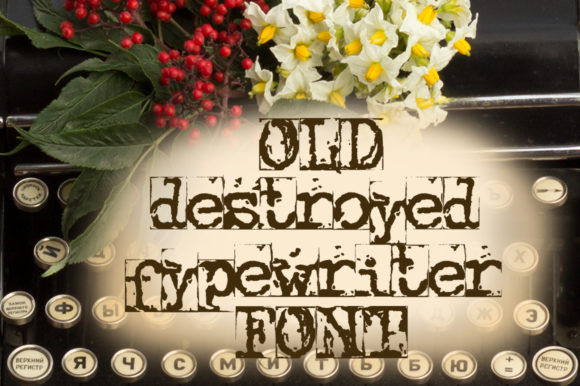
In a digital landscape saturated with polished, uniform, and often sterile typography, the Old Destroyed Typewriter font offers a distinct counter-narrative. It is not merely a decorative choice; it is a textured display typeface designed to convey grit, history, and raw authenticity. For entrepreneurs, marketers, and creators aged 20 to 50 who are seeking to cut through the noise of modern design trends, this font serves as an incredibly valuable asset to any library. Its rough texture and imperfect aesthetic provide a unique opportunity to elevate visual communication, provided it is deployed with strategic intent rather than random selection.
The value of Old Destroyed Typewriter lies in its ability to evoke emotion without saying a word. Unlike standard sans-serif or serif fonts that prioritize legibility above all else, this typeface prioritizes atmosphere. When used correctly, it transforms a flat design into a tactile experience, suggesting a story of resilience, craftsmanship, or rebellion. This makes it particularly effective for brands and individuals aiming to position themselves as grounded, human-centric, and unpretentious.
Understanding the Strategic Value of Imperfection
Modern design theory often pushes for perfection: clean lines, consistent spacing, and flawless kerning. However, consumer psychology tells a different story. Audiences are increasingly fatigued by the "perfect" look of corporate stock imagery and algorithmic content. They crave connection, and nothing connects more deeply than the imperfections of human effort. The Old Destroyed Typewriter font capitalizes on this psychological shift by mimicking the wear and tear of physical machinery from a bygone era.
For small business owners and freelancers, this font can be a powerful tool in differentiation. Imagine a coffee roaster using this typeface on their packaging to signal artisanal quality, or a freelance writer using it in a newsletter header to emphasize a return to fundamental storytelling. The rough texture acts as a visual cue that suggests the product or service behind the text has been handled, tested, and proven. It signals that the creator understands the value of hard work and durability.
When integrating this font into your workflow, consider it a statement of positioning. Are you trying to appear cutting-edge and futuristic? Perhaps not. But if your goal is to communicate heritage, reliability, or a "back-to-basics" approach, Old Destroyed Typewriter aligns perfectly with those objectives. It helps bridge the gap between a digital medium and a tangible, physical reality.
Planning Your Visual Identity with Intentionality
Before downloading or purchasing this font, it is essential to plan how it fits into your broader communication strategy. Using a display font like Old Destroyed Typewriter requires a clear understanding of where it will function best. It is not a utility font intended for long-form body copy. Instead, it excels in headlines, logos, posters, and call-to-action buttons where immediate impact is required.
Effective planning involves asking specific questions about your target audience and the message you wish to convey:
- Who is your audience? If you are targeting a demographic that values nostalgia, sustainability, or industrial aesthetics, this font will resonate strongly.
- What is the core message? Does your brand stand for endurance? Innovation born from struggle? Or perhaps a commitment to traditional methods? The font reinforces these themes visually.
- How does it interact with other elements? Because the font is visually heavy and textured, it requires ample negative space to breathe. Cluttering it with competing graphics will dilute its impact.
By answering these questions, you move from a reactive design process to a proactive one. You are no longer just picking a font because it looks cool; you are selecting a tool that supports your long-term goals and operational standards.
Practical Applications Across Industries
The versatility of Old Destroyed Typewriter extends far beyond simple decoration. Its application can drive results in marketing, branding, and customer experience when matched with the right context. Below are practical scenarios where this font delivers measurable value.
Marketing Campaigns and Advertising
In advertising, attention is the currency. A campaign promoting a rugged outdoor gear brand or a vintage-inspired automotive restoration shop can leverage the rough texture of this font to create instant recognition. The visual weight of Old Destroyed Typewriter commands attention in crowded social media feeds or print advertisements. It stands out against the backdrop of smooth, vector-based designs, forcing the viewer to pause and engage.
Branding and Logo Design
For startups looking to establish a unique identity, a logo featuring this font can set a precedent for the entire brand experience. It suggests a company that is not afraid of the grind. Consider a craft brewery, a boutique gym, or a handmade furniture maker. In each case, the font communicates a narrative of hands-on creation and durability. It helps position the brand as authentic and trustworthy, qualities that are highly valued by decision-makers and consumers alike.
Educational Content and Publishing
Even in education and publishing, there is room for this aesthetic. Educators creating materials on history, literature, or creative writing can use Old Destroyed Typewriter to add a layer of immersion to their content. Bloggers and publishers focusing on investigative journalism or personal essays might find that this font adds a sense of gravity and seriousness to their articles, distinguishing them from generic blog posts.
Navigating the Risks of Overuse
While the potential of Old Destroyed Typewriter is significant, relying on it without clear goals can lead to detrimental outcomes. The primary risk is visual fatigue. Because the font is so texturally complex, overusing it can make a design feel chaotic, messy, or difficult to read. If every headline on a website uses this font, the user interface becomes overwhelming, and the message gets lost in the noise.
Another risk is misalignment with brand values. If a fintech startup or a medical device manufacturer uses this font, it may inadvertently suggest instability or outdated technology. The rough texture implies age and wear, which might contradict a brand promise of precision, speed, and innovation. Therefore, strategic decision-making requires a critical evaluation of whether the "destroyed" aesthetic aligns with the desired perception of your organization.
To mitigate these risks, adopt a disciplined approach. Use Old Destroyed Typewriter sparingly as an accent rather than a default. Pair it with clean, minimalist sans-serif fonts for body text to ensure readability. This contrast allows the rough texture to shine as a focal point while maintaining professional clarity. Remember, the goal is to enhance communication, not obscure it.
Maximizing Long-Term Results Through Thoughtful Design
True creativity is not about following trends but about making decisions that serve the end user and the business objective. By treating Old Destroyed Typewriter as a strategic asset rather than a trendy novelty, you can achieve better results in your projects. Whether you are launching a new product, rebranding an existing business, or simply updating your digital presence, the intentional use of this font can elevate the perceived value of your work.
Consider the long-term implications of your design choices. A well-chosen font contributes to brand consistency and recall. When customers see the rough, textured style associated with your name across multiple touchpoints, they begin to associate those qualities with your products. This builds trust and loyalty over time. Conversely, inconsistent or haphazard font usage can confuse your audience and dilute your brand equity.
As you refine your design process, keep the focus on the outcome. Ask yourself: Does this font help me tell my story more effectively? Does it guide the user's eye to the most important information? Does it reinforce the emotional tone I want to set? If the answer to these questions is yes, then Old Destroyed Typewriter is the right tool for the job.
Ultimately, the power of any font lies in how it is used. Old Destroyed Typewriter offers a unique texture and character that can transform a standard design into something memorable. By approaching it with thoughtfulness, planning, and a clear understanding of your goals, you can harness its potential to create work that resonates, inspires, and drives action. In a world of digital sameness, sometimes the most strategic move is to embrace the rough, the real, and the destroyed.