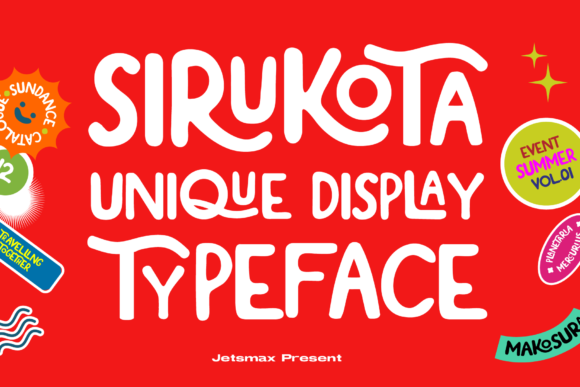
Sirukota Typeface: A Quirky Display Option for Projects Needing Heart and Soul
In the crowded landscape of digital design, finding a typeface that genuinely stands out without sacrificing readability is a constant challenge. Designers often struggle to balance professional polish with creative expression. This is where Sirukota enters the conversation as a distinctive display typeface. Unlike standard sans-serif or serif fonts that prioritize neutrality, Sirukota brings a lively theme and a unique character set designed to inject personality into visual communication.
For professionals aged 20 to 50 who are evaluating typography resources, understanding the specific niche a font occupies is crucial. Sirukota is not merely another decorative option; it is a tool engineered to provide projects with a sense of heart and soul. Its quirky nature makes it particularly effective for headlines, branding elements, and artistic layouts where a standard font would fall flat. However, like any specialized resource, it requires careful consideration regarding its application, compatibility, and limitations compared to broader type families.
Understanding the Distinctive Character of Sirukota
The primary differentiator of Sirukota lies in its thematic approach. While many display fonts rely on heavy weight or extreme geometric shapes to grab attention, Sirukota utilizes a more organic, playful structure. The "quirky" description is apt because the letterforms often feature subtle irregularities that mimic hand-drawn aesthetics while maintaining the structural integrity of a digital font. This allows the text to feel human and approachable rather than cold or machine-generated.
A critical technical feature that sets this typeface apart is its PUA (Private Use Area) encoding. In the world of typography, standard ASCII characters cover the basic alphabet, numbers, and common punctuation. Special characters, ligatures, and alternate glyphs often require specific software support to render correctly. By utilizing PUA encoding, Sirukota ensures that these special characters can be accessed and displayed across various platforms without breaking the layout. This encoding strategy is particularly beneficial for designers working in complex environments where custom symbols are essential to the brand identity.
The inclusion of special characters adds a layer of depth to the design process. These characters are not just decorative flourishes; they serve functional roles in creating emphasis, connecting concepts, or adding cultural context to a project. When used correctly, they transform a standard headline into a narrative element. For instance, a marketing campaign for a local artisanal product might use these special glyphs to evoke a sense of tradition and craftsmanship that a standard font simply cannot convey.
Compatibility and Integration Across Design Tools
One of the most significant barriers to adopting new typefaces is the fear of incompatibility. Designers frequently encounter situations where a font looks perfect in their research but fails to render correctly in the final output software. Sirukota addresses this concern by offering robust compatibility with industry-standard tools. It is fully compatible with Adobe Illustrator and Photoshop, which are the gold standards for vector and raster graphics respectively.
This level of integration means that users can leverage the full power of the font's features directly within their workflow. In Adobe Illustrator, the PUA encoded characters can be utilized to create intricate logos or illustrations where custom symbols play a central role. Similarly, in Photoshop, the font maintains its visual fidelity when applied to photo composites or social media graphics. The ability to access these special characters seamlessly ensures that the "heart and soul" intended by the designer is preserved from the initial sketch to the final export.
Furthermore, the font extends its utility beyond professional creative suites. Compatibility with Microsoft Word is a notable advantage for business professionals, educators, and content creators who may not have access to expensive Adobe subscriptions. This accessibility broadens the potential user base significantly. Whether you are drafting a proposal, creating a newsletter, or designing a presentation slide, having a font that works reliably in a word processor eliminates the need for workarounds or image conversion hacks. It allows for a more fluid transition between conceptual design and practical document creation.
Comparative Analysis: When to Choose Sirukota vs. Standard Options
Evaluating whether Sirukota is the right choice involves comparing it against other categories of typefaces. The decision matrix usually revolves around the tradeoff between uniqueness and versatility. Standard display fonts, such as bold grotesques or classic serifs, offer high versatility. They are safe choices that work well in almost any context, from legal documents to corporate reports. However, this safety comes at the cost of distinctiveness. Using a standard font often results in a design that blends into the background.
Sirukota sits in a different quadrant of the design spectrum. It is less versatile in terms of body copy usage but excels in display contexts. If the goal is to create a strong emotional connection or to signal creativity, Sirukota is superior. Conversely, if the project demands absolute neutrality or requires reading long passages of text, a standard serif or sans-serif remains the better option. The quirky nature of Sirukota can become distracting if overused in dense text blocks.
Another comparison point is with other "handwritten" or "script" style fonts. Many alternatives attempt to replicate handwriting but often suffer from poor legibility or inconsistent spacing. Sirukota attempts to bridge this gap by maintaining a structured baseline while introducing playful variations. This makes it more suitable for professional branding than some purely script-based alternatives, which might appear too informal for certain industries. The decision ultimately depends on the desired tone: is the project aiming for a casual, personal feel, or does it need a structured yet unique aesthetic?
Strategic Application and Best-Fit Scenarios
To make an informed decision, one must consider the specific use cases where Sirukota shines. Its strengths are most evident in short-form communications where impact is paramount. Branding materials, such as logos, business cards, and packaging, benefit greatly from the font's unique character. The special characters allow for custom monograms or stylized initials that can become a recognizable part of a brand's visual identity.
In the realm of digital marketing, Sirukota is ideal for social media headers, banner ads, and email subject lines. These spaces compete for immediate attention, and a font with a lively theme can cut through the noise more effectively than a generic typeface. The PUA encoded characters add a touch of exclusivity, suggesting that the content behind the text is curated and thoughtful. For example, a boutique hotel might use Sirukota for its welcome signage or website hero section to convey a warm, inviting atmosphere.
However, there are clear limitations to consider. Sirukota is not designed for body text or long-form articles. The quirky details that give it character can reduce legibility when the font size is small or when the text density is high. Additionally, because it relies on PUA encoding, there is a slight risk of fallback issues if the end-user does not have the font installed and the system cannot substitute it appropriately. This is a minor concern in controlled environments like printed brochures or proprietary apps, but it is a factor to keep in mind for public-facing web content.
Decision Factors for Design Professionals
When evaluating Sirukota against other resources, several key factors should guide the decision-making process. First, assess the project's emotional requirements. Does the brand voice demand playfulness and warmth? If yes, Sirukota is a strong candidate. Second, consider the technical constraints of the delivery channel. If the project involves print production or static images, the compatibility with Adobe tools makes it a seamless fit. Third, evaluate the need for customization. If the project requires unique symbols or special glyphs to tell a story, the PUA encoding provides a necessary advantage.
It is also important to weigh the cost of adoption. While the font itself may be affordable or free, the time spent learning how to utilize its special characters effectively is an investment. Designers must ensure they understand how to access and implement the PUA characters correctly to avoid rendering errors. This learning curve is generally manageable for experienced users but could be a hurdle for beginners.
Ultimately, the choice to use Sirukota is about balancing aesthetic ambition with practical functionality. It offers a way to infuse life into a design without resorting to cliché decoration. For those seeking a font that combines technical reliability with a spirited personality, Sirukota represents a compelling option. It serves as a reminder that typography is not just about conveying information, but about evoking feeling. By selecting a typeface with such distinct qualities, designers can ensure their projects resonate more deeply with their audience, leaving a lasting impression of authenticity and care.