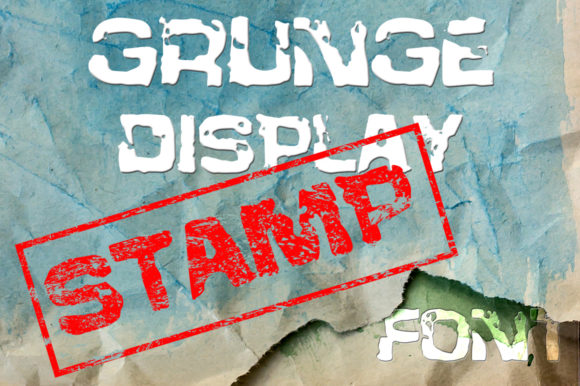
Stamp: A Textured Display Font for Bold Visual Statements
In a digital landscape saturated with clean, minimalist sans-serifs and highly legible serif pairings, finding a typeface that commands immediate attention without sacrificing character can be challenging. Stamp enters this conversation not as another generic script or a standard geometric display face, but as a distinctively textured option designed to mimic the tactile feel of hand-stamped lettering. This brushed rough texture gives it an organic quality that stands out in both print and digital environments.
For professionals ranging from graphic designers and marketing managers to small business owners and content creators, the utility of a font often lies in its versatility and reliability. Stamp offers a unique aesthetic that bridges the gap between industrial grit and creative craft. It is not merely a decorative element; it serves as a functional tool for establishing tone and hierarchy in projects where a standard font would fall flat.
Defining the Character of Stamp
The primary differentiator of Stamp is its surface treatment. Unlike vector fonts that rely on smooth curves and sharp edges, this typeface incorporates a brushed, rough texture into every glyph. This design choice simulates the imperfections found in physical stamping processes, ink bleeds, or distressed printing techniques. The result is a visual weight that feels substantial and grounded.
When evaluating any display font, one must consider how the texture interacts with surrounding elements. In the case of Stamp, the roughness adds a layer of depth that prevents the text from appearing too sterile. It introduces a sense of history and authenticity that is increasingly valued in modern branding. Whether applied to a logo, a headline, or a product label, the font immediately signals that the content is tangible and human-made rather than purely algorithmic.
This characteristic makes it particularly effective for projects aiming to evoke nostalgia, craftsmanship, or raw energy. It avoids the polished perfection of corporate fonts, opting instead for a more approachable, albeit rugged, personality. For educators or publishers looking to create materials that feel accessible and less formal, Stamp provides a way to soften the presentation while maintaining strong visual impact.
Practical Applications Across Industries
The versatility of Stamp extends across various sectors, making it a valuable asset for freelancers and agencies alike. Its ability to function well in diverse contexts stems from its bold nature and clear legibility at larger sizes. Below are specific scenarios where this font demonstrates significant practical value.
- Crafting and DIY Projects: For hobbyists creating handmade cards, scrapbooks, or custom packaging, Stamp offers a professional finish that mimics commercial production. It allows individuals to replicate the look of official stamps or branded labels without needing specialized equipment.
- Digital Design and Web Interfaces: While textured fonts can sometimes cause readability issues on screens, Stamp is engineered to maintain clarity. It performs exceptionally well as a hero headline on landing pages, blog headers, or social media graphics where capturing attention within seconds is critical.
- Presentation Materials: Entrepreneurs and marketers often struggle to make slide decks memorable. Using Stamp for key statistics, section dividers, or title slides can break the monotony of standard corporate templates, injecting energy and visual interest into the narrative.
- Greeting Cards and Stationery: The font's inherent "hand-made" vibe aligns perfectly with personal correspondence. It transforms a simple greeting card into a piece of art, adding a touch of warmth and sincerity that resonates with recipients.
In each of these instances, the goal is to communicate a specific mood. Stamp achieves this by leveraging its texture to suggest effort and care. It is a deliberate choice that tells the viewer the creator invested time and thought into the visual identity.
Evaluating Quality and Usability
From a technical standpoint, the quality of a font is measured by its consistency, kerning, and the integrity of its glyphs under stress. Stamp maintains a high level of consistency across its character set. The rough texture is applied uniformly, ensuring that no single letter appears significantly lighter or darker than its neighbors. This uniformity is crucial for professional output, as inconsistencies can undermine the perceived quality of the final design.
Usability is another key factor. The font includes a comprehensive range of characters, supporting standard punctuation and special symbols necessary for complex layouts. However, users should be mindful of size constraints. Because the texture adds visual noise, Stamp may become difficult to read at very small point sizes or when used in body copy. It is best reserved for headlines, titles, short phrases, and emphasis text.
When integrating Stamp into a workflow, pairing is essential. Due to its strong personality, it pairs poorly with other display fonts. Instead, it shines when contrasted with clean, neutral sans-serif or serif bodies. This juxtaposition allows the textured font to take center stage while the supporting text ensures the message remains clear and legible. For example, using a crisp Helvetica or Georgia for body paragraphs creates a balanced composition that highlights the unique qualities of Stamp.
Who Benefits Most from This Resource?
Not every project requires a font with such a distinct texture. Stamp is most beneficial for those who need to convey a specific atmosphere quickly and effectively. Small business owners looking to differentiate their brand from competitors will find it useful for creating a memorable visual identity. Similarly, marketers targeting audiences interested in artisanal goods, vintage aesthetics, or street culture will appreciate its alignment with those themes.
Freelance designers and creatives often seek tools that expand their stylistic range without requiring extensive customization. Stamp fits this need by offering an instant style upgrade. It reduces the time spent searching for images or textures to overlay on text, providing a ready-made solution that looks authentic. For bloggers and publishers, it offers a way to break up long-form content visually, drawing the reader's eye to important points without resorting to clunky graphics.
Educators and presenters also benefit from its engaging nature. In workshops, seminars, or educational materials, Stamp can help illustrate concepts related to construction, history, or manual labor, adding a layer of thematic relevance to the content.
Real-World Performance and Limitations
While Stamp is a powerful tool, it is not without limitations. The primary constraint is its specificity. It is a display font, meaning it is designed for impact rather than endurance. Attempting to use it for long-form reading or fine print will likely result in user fatigue and reduced comprehension. Designers must exercise discipline in its application, reserving it for moments where visual punch is required.
Another consideration is the medium of output. On high-resolution digital displays, the brushed texture renders beautifully. However, when converting to low-quality prints or certain web formats, the texture might degrade or appear muddy if the resolution is insufficient. Ensuring that files are exported at appropriate DPI settings is a necessary step to maintain the integrity of the design.
Furthermore, overuse can dilute its effectiveness. If every headline in a document uses Stamp, the novelty wears off, and the design becomes chaotic. Strategic placement is key. Using it sparingly for key calls-to-action or major headings maximizes its psychological impact. When used correctly, it acts as a visual anchor, guiding the viewer through the content hierarchy.
Long-Term Value and Conclusion
In the realm of typography, trends shift rapidly, but the appeal of authentic, textured designs tends to endure. Stamp capitalizes on this enduring preference for human-centric design. It offers a timeless quality that avoids the pitfalls of overly trendy styles. For professionals building a portfolio or a brand, having access to a reliable, high-quality display font like Stamp is a strategic advantage.
It represents a balance between artistic expression and functional design. By providing a realistic simulation of physical stamping, it brings a tactile dimension to digital and printed media. Whether you are crafting a personalized gift, launching a startup, or designing a compelling presentation, Stamp provides the visual authority needed to make your work stand out.
Ultimately, the decision to incorporate Stamp into your toolkit depends on your specific needs. If your goal is to create something that feels real, tangible, and impactful, this font delivers. It is a resource that rewards thoughtful usage, transforming ordinary text into a statement. For those willing to leverage its strengths while respecting its limitations, Stamp proves to be a versatile and valuable addition to any creative arsenal.