Stitch: The Bold Display Font That Transforms Your Designs
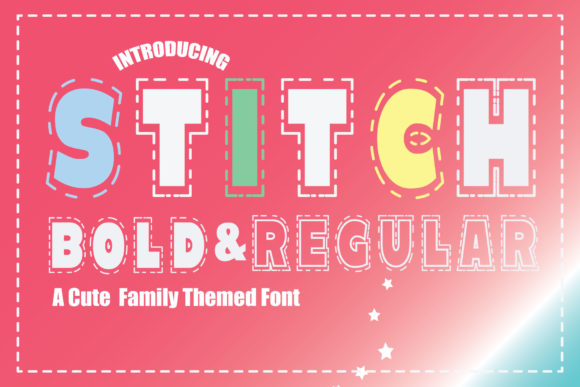
When you are staring at a blank canvas, the difference between a forgettable design and one that stops the scroll often comes down to a single typeface. Stitch is not just another font file sitting in your library; it is a thick lettered, awesome display font that will look stunning on any poster flyer or print project. Its unique character cuts through visual noise with an authority that few other typefaces can match.
This isn't about subtle body text or delicate accents. We are talking about a creative font designed to make a statement. Whether you are a brand strategist building a new identity, a marketer crafting a campaign, or a crafter making custom merchandise, Stitch offers a distinct personality that demands attention without shouting. It brings a sense of rugged reliability and modern edge to your work, bridging the gap between industrial strength and artistic flair.
Understanding the Visual Personality of Stitch
To truly appreciate this typeface, you have to look past the basics of serif versus sans serif classifications. While Stitch possesses structural integrity that anchors it firmly in the world of solid geometry, its execution feels hand-crafted and organic. The letters are thick, with generous weight distribution that gives them a substantial presence on the page. This thickness isn't accidental; it is a deliberate choice to ensure legibility even at massive scales or from a distance.
The visual appeal lies in its texture. Unlike many modern typography trends that favor ultra-thin lines or geometric perfection, Stitch embraces a bit of roughness. It feels tactile, almost as if the ink has been pressed into the paper rather than simply printed on top. This characteristic makes it an ideal premium font for projects that need to convey authenticity, durability, or a "made by hand" aesthetic. It works exceptionally well when you want your audience to feel the weight of your message.
Its style is versatile enough to fit into various genres. You might see it leaning towards a handwritten font vibe due to its slight irregularities, yet it retains the clean lines of a modern typography system. This duality allows it to be used in contexts ranging from high-end editorial design to gritty streetwear branding. When you select Stitch, you are selecting a voice that is confident, unapologetic, and visually striking.
Where Stitch Shines in Real-World Applications
The true test of any typeface is how it performs outside of a theoretical example. In the real world, Stitch excels in scenarios where immediate impact is required. Let's look at some practical applications where this font changes the game.
- Poster and Flyer Design: When designing event posters or promotional flyers, you have seconds to grab attention. The bold strokes of Stitch create a strong focal point that draws the eye immediately. It handles large headlines beautifully, ensuring that dates, times, and key messages are readable from across a room.
- Logo Design and Brand Identity: For small business owners and entrepreneurs, a logo needs to be memorable. Using Stitch for a primary logotype can establish a brand that feels established and robust. It adds a layer of professionalism and recognition that helps businesses stand out in crowded marketplaces.
- Packaging Design: On shelves, products compete for space. A creative font like Stitch can transform a generic package into a premium product. Whether you are packaging artisanal goods, craft beers, or limited-edition apparel, the font adds a tactile quality that suggests value and care.
- Social Media Graphics: In the fast-paced environment of social media, visuals must stop the user. Stitch works wonders for Instagram carousels, Facebook cover images, and YouTube thumbnails. Its high contrast ensures that text remains legible even on small mobile screens.
- Web Design and Digital Assets: While body text requires lighter weights, using Stitch for hero sections, banners, or call-to-action buttons can significantly boost engagement rates. It breaks up the monotony of standard web fonts and injects energy into digital interfaces.
Strategic Impact on Readability and Brand Perception
Choosing the right font is never just about aesthetics; it is a strategic decision that influences how your audience perceives your content. Stitch plays a crucial role in establishing visual hierarchy. Because of its heavy weight and distinct shape, it naturally guides the reader's eye to the most important information first. This is essential for maintaining flow in long-form editorial design or complex marketing materials.
Furthermore, the font contributes significantly to brand consistency. When you use Stitch across different platforms—from your website headers to your physical business cards—you create a cohesive visual language. This consistency builds trust. Audiences subconsciously recognize patterns, and a unified typographic style signals that your brand is professional and reliable.
In terms of audience engagement, Stitch has a unique ability to evoke emotion. It feels grounded and honest. If your brand values transparency, strength, or craftsmanship, this font reinforces those traits instantly. Conversely, if you were trying to convey delicacy or luxury, a script font might be more appropriate. But for a message that needs to be heard loud and clear, there is little better than the commanding presence of Stitch.
Practical Guidance for Implementation
If you are ready to incorporate this commercial font into your workflow, there are several steps to take to ensure the best results. First, evaluate your project fit. Ask yourself: does the mood of my project align with the rugged, bold nature of Stitch? If the answer is yes, proceed with confidence.
Next, consider your font pairing strategy. Since Stitch is a display font, it should generally not be used for long blocks of text. Instead, pair it with a neutral, highly legible serif font or a clean sans serif font for body copy. This contrast creates balance, allowing the headline to pop while keeping the reading experience comfortable. Experiment with different combinations to find the perfect harmony between the two styles.
Before finalizing your designs, review the included styles. Does the family offer multiple weights or variations? Having options allows you to adjust the tone slightly without switching typefaces entirely. Always test your designs in black and white to ensure that the form holds up without relying on color tricks. Finally, check your commercial licensing. Ensure that your usage rights cover all intended applications, whether it is for client work, internal presentations, or mass-produced merchandise.
By following these guidelines, you can leverage the full potential of Stitch. It is more than just a tool; it is a design asset that can elevate your work from ordinary to extraordinary. Explore its endless possibilities and watch how a single change in typography can transform your entire project.