Unlocking the Bold Personality of Fouster for Your Next Design
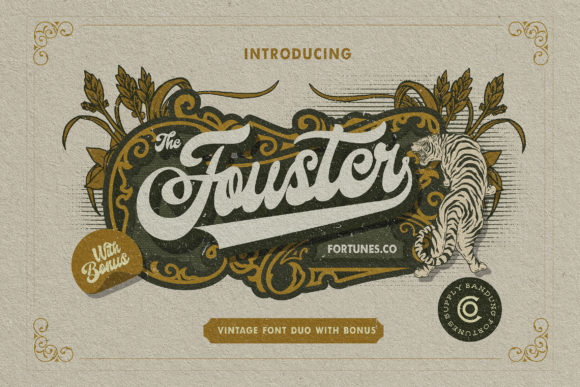
If you are looking to inject a sense of history and raw energy into your visual projects, Fouster stands out as a display typeface that refuses to be ignored. This font is not merely a collection of letters; it is a bold statement characterized by its vintage styling and dynamic structure. When you place Fouster on a canvas, it immediately communicates strength, confidence, and a distinct nostalgic character that resonates with audiences who appreciate retro aesthetics.
However, while the visual impact of this font is undeniable, using it effectively requires more than just dragging and dropping text onto an image. Many designers and business owners make the mistake of treating every bold font as a universal solution, often leading to designs that feel cluttered or difficult to read. To get the most out of Fouster, you must understand its specific strengths and limitations before committing to a project.
Understanding the Character of Fouster
Fouster is designed to be a headline or display font, meaning it excels in large sizes where its intricate details can shine. The style mimics classic signage from the mid-20th century, offering a rugged texture that feels authentic rather than digitally simulated. For entrepreneurs and marketers, this makes it an excellent choice for branding materials like posters, album covers, t-shirt graphics, and packaging that needs to stand out on a crowded shelf.
The font's strong presence allows it to command attention instantly. However, this power comes with a responsibility. Because Fouster is so visually heavy, it demands respect in terms of spacing and hierarchy. It is not designed for body text or long-form content. Attempting to use it for paragraphs will quickly overwhelm the reader, causing them to disengage from your message entirely. Recognizing the right context for this font is the first step toward professional-quality results.
Common Pitfalls in Font Selection
One of the most frequent errors creators make when evaluating new fonts is focusing solely on the "cool factor" without considering readability. You might fall in love with the unique curves of Fouster and decide to use it for everything from your logo to your website navigation. This approach often leads to a design that looks chaotic and unprofessional. A bold, vintage font should act as an accent, not the foundation of your entire typographic system.
Another overlooked detail is the legibility at smaller scales. Display fonts like Fouster often contain fine details or high contrast strokes that disappear when scaled down too much. If you download the font and try to use it for small labels or mobile interface buttons, the characters may blur together or lose their distinctive shape. This can frustrate users and dilute the brand identity you are trying to build. Always test your chosen font at various sizes before finalizing a design.
Furthermore, many beginners overlook the importance of pairing. Using Fouster in isolation can sometimes feel dated or one-dimensional. To achieve a balanced look, you need to pair it with a clean, neutral sans-serif or a simple serif font. This contrast allows the personality of Fouster to pop while maintaining clarity in the supporting text. Without this balance, your design risks looking like a collage of unrelated elements rather than a cohesive composition.
Evaluating Technical Details Before You Buy
Before purchasing or downloading any premium font, including Fouster, it is crucial to check the technical specifications. Not all font files are created equal, and some versions may lack essential features needed for modern workflows. For instance, does the family include multiple weights? Are there alternate glyphs or ligatures that allow for greater customization? A limited version of a font might restrict your ability to create variations in tone and emphasis.
Additionally, verify the licensing terms carefully. Some fonts are licensed for personal use only, while others require a commercial license for client work or merchandise sales. Failing to secure the proper rights can lead to legal issues and unexpected costs later on. Ensure that the license covers your intended use cases, whether that is web usage, print media, or digital advertising.
- Check Weight Variety: Ensure the package includes enough variations to support different design hierarchies.
- Verify File Formats: Confirm that the font supports the formats you need, such as OTF, TTF, or WOFF2 for web embedding.
- Review Licensing Scope: Read the agreement to confirm if commercial use is permitted for your specific project type.
- Test Legibility: Print samples or view the font on screen at actual size to ensure details remain clear.
Avoiding Costly Mistakes in Application
Using a font incorrectly can have tangible effects on your project's success. If you apply Fouster to a background with complex textures or low contrast colors, the text may become unreadable. This directly impacts communication efficiency, as your audience will struggle to grasp your message. In marketing contexts, poor readability can lead to lower conversion rates and wasted ad spend.
To avoid these pitfalls, always prioritize contrast and whitespace. Give Fouster room to breathe. Avoid placing it over busy images or gradients unless you add a solid backdrop or shadow to separate the text from the background. These small adjustments significantly improve the professional quality of your work and ensure that your design choices enhance rather than hinder the user experience.
Finally, consider the emotional resonance of the font. Does the vintage vibe of Fouster align with your brand story? If you are selling a modern tech product, this font might send mixed signals. However, for a craft brewery, a retro diner, or a vintage clothing store, it could be the perfect match. Aligning the typography with your brand narrative ensures that every element of your design works together to tell a consistent story.
By approaching Fouster with a strategic mindset, you can leverage its bold, confident character to create designs that are both nostalgic and effective. Remember, the goal is not just to use a cool font, but to communicate your message clearly and memorably. Take the time to evaluate your options, test your layouts, and choose the right tools for the job.
When you respect the capabilities of the typeface and follow best practices for pairing and application, Fouster becomes more than just a font—it becomes a powerful asset in your creative toolkit. Whether you are a freelancer building a portfolio or a business owner launching a new campaign, making informed decisions about typography will set your work apart from the rest.