Why Nonsense is the Perfect 3D Display Font
If you have ever struggled to make a design feel dynamic without looking cluttered, Nonsense offers a refreshing solution. This isn't just another typeface; it is an awesome 3D display font designed to capture attention immediately. In a digital landscape where users scroll past content in seconds, having a visual element that pops is essential. Nonsense provides that necessary impact while maintaining a level of polish that fits perfectly on each of your designs, from simple social media posts to complex marketing campaigns.
The core appeal of this font lies in its unique ability to blend playful geometry with professional readability. It is not about making text difficult to read, but rather about adding depth and character to headlines and key phrases. Whether you are a freelancer designing a logo for a new startup or a blogger trying to make your latest post stand out in a crowded feed, this tool helps bridge the gap between standard typography and eye-catching art. It invites you to have fun with beautiful typography and explore its endless variations to find the perfect look for your specific project.
Understanding the Unique Character of Nonsense
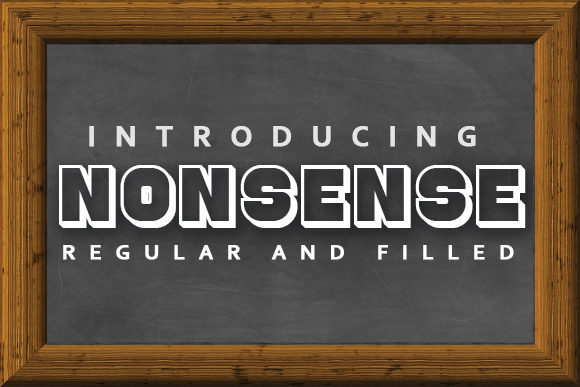
At its heart, Nonsense is a display font, which means it is optimized for large sizes rather than long blocks of body text. The "3D" aspect refers to the extruded edges and shadows that give the letters physical weight and dimension. When you place this font on a screen or print, it creates an illusion of space, making words appear to float above the background or sit firmly within a scene. This characteristic makes it incredibly versatile for creators who want to add a tactile feel to their digital work.
What sets this font apart from others in the 3D category is its balance. Many 3D fonts can be too heavy or aggressive, overwhelming the viewer. Nonsense avoids this pitfall by keeping the proportions clean and modern. The curves are smooth, and the angles are precise enough to maintain legibility even when the style is bold. This makes it suitable for a wide range of audiences, including those who might find traditional serif or sans-serif fonts too boring for their brand identity.
Who Benefits Most from This Design Tool?
The versatility of Nonsense means it serves various professionals differently depending on their goals. For entrepreneurs launching a new product, the font can convey excitement and innovation. Imagine a landing page for a tech gadget where the headline uses this font to suggest cutting-edge technology; the 3D effect implies substance and reliability. Similarly, educators can use it to create engaging worksheets or presentation slides that keep students interested. The visual interest helps break up dense information, making learning materials more inviting.
Casual users and hobbyists also find value here. Perhaps you are designing a birthday invitation for a child's party or creating custom t-shirts for a family reunion. The playful nature of the font adds a festive touch without requiring advanced graphic design skills. You do not need to be a professional designer to achieve a high-quality result because the font itself does much of the heavy lifting. It allows anyone to produce work that looks professionally crafted, saving time and effort while elevating the final output.
Practical Applications Across Different Media
One of the strongest arguments for using Nonsense is its adaptability across different mediums. Because it is a display font, it shines brightest in contexts where short, impactful text is required. Here are several realistic scenarios where this typeface excels:
- Social Media Graphics: Instagram stories and Facebook posts often suffer from generic templates. Using Nonsense for quotes, announcements, or event dates instantly upgrades the visual hierarchy. The 3D effect draws the eye to the most important part of the image, increasing engagement rates.
- Marketing Materials: Flyers, brochures, and posters benefit greatly from the depth this font provides. A concert poster or a sale banner becomes more compelling when the main title appears to jump off the page. This physical sensation can subconsciously encourage viewers to pick up the flyer or click the ad.
- Personal Branding: Bloggers and content creators often struggle to establish a unique voice. Incorporating Nonsense into your logo or header images helps define your brand personality as creative, bold, and modern. It signals to your audience that you pay attention to detail and care about aesthetics.
- Event Planning: Whether it is a corporate conference or a local community fair, signage made with this font looks polished. It handles large lettering well, ensuring that information like dates, times, and locations is readable from a distance.
In each of these cases, the goal is to communicate a message quickly and memorably. Nonsense supports this by providing a strong visual anchor. Instead of relying solely on color or imagery to grab attention, the typography itself becomes a focal point. This reduces the cognitive load on the viewer, allowing them to process information faster and retain the message longer.
Exploring Endless Variations
A common misconception about specialized fonts is that they offer limited options. However, Nonsense encourages users to explore its endless variations. Depending on the software you use, you can adjust spacing, color gradients, lighting effects, and rotation angles to create infinite combinations. A single word can look entirely different when rendered with soft pastel colors versus sharp neon outlines.
This flexibility is particularly useful for marketers running A/B tests. You might test one version of an ad with a flat color scheme and another with a metallic texture to see which resonates better with your target audience. The font's structure supports both approaches equally well. Furthermore, because the base shapes are consistent, you can mix and match styles across different projects while maintaining a cohesive brand identity. This consistency builds trust with your customers over time.
Important Considerations Before You Start
While Nonsense is a powerful tool, it is important to use it thoughtfully to ensure your designs remain effective. The primary rule of thumb is restraint. Because the font is so visually dominant, it should not be used for paragraphs of text or small captions. Overusing 3D elements can lead to visual fatigue, where the user feels overwhelmed by the lack of breathing room. Always pair Nonsense with a simpler, cleaner font for body copy to create a harmonious contrast.
Another factor to consider is accessibility. While the 3D effect adds style, it can sometimes reduce legibility if the background is busy or if the contrast is low. Ensure that the text remains readable for all users, including those with visual impairments. High contrast is key; dark shadows against light backgrounds or vice versa will always perform better than subtle gradients on similar-colored surfaces. Additionally, when exporting files for web use, optimize the rendering to prevent pixelation, especially if the font is displayed at smaller sizes.
Finally, think about the context of your message. Does a playful, 3D font fit the tone of your content? If you are writing a serious financial report or a somber news article, Nonsense would likely be inappropriate. However, for lifestyle blogs, creative portfolios, entertainment news, and promotional content, it is an ideal choice. Understanding the emotional resonance of the font is just as important as understanding its technical specifications.
By keeping these guidelines in mind, you can leverage the full potential of this awesome 3D display font. It is designed to help you express creativity without compromising clarity. Whether you are building a business, sharing personal stories, or simply experimenting with design, Nonsense offers a reliable foundation for your next big idea. Have fun with this beautiful font and explore its endless variations to discover what works best for your unique vision.